
PRESSED CEILINGS
Timeless Elegance in South African Interiors
Pressed ceilings, also known as stamped or embossed metal ceilings, have graced homes, offices, and public spaces for over a century. Originating in the late 19th century as an affordable alternative to ornate plasterwork, these intricate panels feature raised designs inspired by Victorian, Edwardian, and Art Deco motifs—think floral patterns, geometric grids, and classical borders. In South Africa, pressed ceilings hold a special place in our architectural heritage, adorning heritage buildings in Cape Town’s Bo-Kaap, Johannesburg’s Victorian terraces, and Durban’s Edwardian homes. They offer not just aesthetic appeal but also practical benefits: fire resistance, sound insulation, and durability when properly maintained.
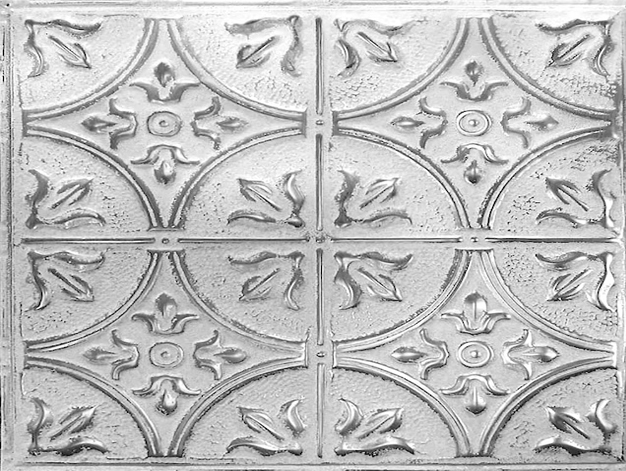
However, the craft of supplying, installing, and repairing pressed ceilings is a vanishing art in modern South Africa. With the rise of mass-produced gypsum boards and economic pressures like loadshedding and skilled labour shortages, traditional pressed ceiling expertise has dwindled. Only a handful of specialized companies—fewer than a dozen nationwide—possess the original moulds, technical know-how, and reliability to handle these projects without compromising historical integrity or structural safety. This scarcity underscores the value of choosing experienced providers, as poor workmanship can lead to sagging, rust, or mismatched repairs that devalue properties.
In this guide, we delve into the intricacies of pressed ceilings, from sourcing high-quality materials to flawless installation and meticulous repair. Whether you’re restoring a heritage home in Gauteng or enhancing a new build in the Western Cape, understanding these elements ensures a lasting, luxurious finish.

Supply
Sourcing Authentic and Modern Pressed Ceiling Materials
Sourcing pressed ceiling materials in South Africa requires careful consideration of authenticity, durability, and availability. Unlike generic ceiling boards, pressed panels demand specialized manufacturing to replicate intricate embossing without distortion. Local suppliers emphasize sustainable, locally produced options to combat import delays and costs.
Types of Pressed Ceiling Tiles and Materials
Pressed ceilings come in various formats, sizes, and materials, each suited to different budgets, aesthetics, and environmental needs:
Pressed Metal (Steel or Tin-Plated Steel):
The gold standard for authenticity. These panels, typically 610mm x 610mm or 24″ x 24″, are stamped from thin sheet steel (0.4–0.6mm thick) using hydraulic presses. Designs include classics like the “Rietfontein” (a floral medallion popular in SA Victorian homes) or “Classic” (geometric borders). Steel offers superior fire resistance (up to 2-hour rating) and rigidity but is prone to rust in humid coastal areas like KwaZulu-Natal. Untreated raw metal requires priming and painting on-site.
PVC or Polymer Reproductions:
Lightweight alternatives (about 1/3 the weight of metal) made from high-density PVC or polymer composites. These replicate metal designs exactly but resist moisture, making them ideal for bathrooms or kitchens in humid Johannesburg summers. Sizes match metal panels, with thicknesses of 3–5mm. Brands like those from Pressed PVC Ceilings offer solvent-free options for eco-conscious builds.
Fibreglass and Polyurethane:
Used for cornices, borders, and custom elements like corbels or air vents. Fire-retardant fibreglass withstands SA’s variable climates, while polyurethane allows for hyper-detailed reproductions of antique motifs (e.g., gargoyles or ornate plaster finishes).
Common designs available in SA include:
Antique Reproductions:
Victorian florals, Rococo scrolls—sourced from original moulds held by heritage specialists.
Modern Variants:
Simplified geometrics or minimalist grids for contemporary spaces.
Cornices and Fillers:
Matching borders (e.g., 100–150mm wide) and infill panels for edges or irregular rooms.
Panels are acid-etched for better paint adhesion, and custom duplication is possible for large projects (e.g., matching panels across a multi-story building).
INSTALLATION
Precision Craftsmanship for Flawless Results
Installing pressed ceilings is a labour-intensive process requiring skilled tradespeople, as misalignment can cause visible seams or structural failure. In SA, where buildings often feature uneven substrates from seismic activity or subsidence, preparation is key. Expect 1–3 days for a 50m² room, costing R300–R600 per m² including labour.
REPAIR
Restoring Heritage Without Compromise
Pressed ceilings endure for generations but face wear from SA’s climate—leaks from erratic rains, termite damage in wooden lathings, or theft-vandalism in urban areas. Repairs preserve value, with costs R150–R400 per m². Early intervention prevents escalation from cosmetic dents to structural failure.
Common Issues

Dents and Holes:
From fixtures, impacts, or subsidence (common in Gauteng clay soils).
Rust and Corrosion:
Water ingress causes pitting; galvanic issues from mixed metals.
Sagging or Loose Tiles:
Deteriorated nails, termites, or overloaded plaster.
Paint Flaking:
Lead-based historical paints peel in humid conditions; excessive buildup hides details.
Warping:
From heat/humidity or poor storage.
THE EXPERTISE GAP
Why Skilled Pressed Ceiling Providers Are Rare in South Africa
In a country where construction booms with affordable modern materials, the intricate craft of pressed ceilings has faded. Post-WWII shifts to gypsum and drywall, coupled with SA’s economic volatility—loadshedding halting factories, skilled emigration, and deregulated imports—have eroded traditional craftsmanship. Only 5–10 companies nationwide hold original moulds for authentic replication, and fewer still employ accredited teams trained in heritage techniques.
Companies like Empire Builds stand out for their reliability: in-house crews, liability insurance, and guarantees against callbacks. Unskilled “handymen” often botch jobs, leading to mismatched patterns or unsafe fixes. For reliability, seek providers with verifiable references, SABS compliance, and experience in insurance-approved restorations—ensuring your pressed ceiling endures another century.
Ready to elevate your space? Contact a specialist for a site assessment. Pressed ceilings aren’t just decor; they’re a legacy worth preserving.